A guide to separating Palmetto bugs from outdoor wood roaches, sealing weep holes, and dry-proofing damp plumbing pipes. Having pests in your home is a major headache, especially under the hot sun and heavy rains of Florida. Without freezing winters to naturally reduce insect colonies, homeowners across the Sunshine State deal with year-round pest pressure. From termites feeding on structural wood framing to roof rats chewing through attic vents and electrical wires, keeping your property secure takes steady care. In this detailed guide, our local Florida entomologists break down everything you need to know about palmetto bugs vs. american cockroaches: moisture controls. We will look at why this pest activity increases, how our professional teams build durable barriers, and the step-by-step checklists you can use to secure your home.
What is the difference between Palmetto bugs and cockroaches?
Palmetto bug is a local term for the American cockroach. They live in damp outdoor mulch and trees but crawl inside through doors, windows, and weep holes in search of moisture.
- Seal plumbing pipe openings under kitchen and bathroom sinks.
- Clear decay leaf mulch and wood chips away from foundation walls.
- Install weep hole mesh covers to block entry points.
- Keep door sweeps tight and replace worn window screens.
- Repair leaking outdoor faucets and clear clogged roof gutters.
Biology & Climate Triggers: Why This Pest Thrives in Florida
Common Florida household pests—such as American cockroaches (Palmetto bugs), German cockroaches, Ghost ants, and silverfish—thrive in warm, humid residential environments. In terms of palmetto bugs vs. american cockroaches: moisture controls, persistent moisture around foundation perimeters and plumbing access points invites colonies indoors. Managing palmetto bugs vs. american cockroaches: moisture controls ensures long-term home hygiene and food safety.
Actionable Step-by-Step Prevention & Sealing Checklist
Preventing general insect incursions starts with eliminating moisture sources and exterior entryways. Checking under-sink plumbing, installing tight door sweeps, sealing window trim, and removing decaying mulch from foundation edges significantly reduces pest entry pathways.
Your Structural Defense To-Do List:
- Slab & Base Inspection: Check concrete base slab joints, plumbing lines, and bath traps for active mud tubes or crawl entryways.
- Mulch & Soil Clearance: Keep soil, decaying wood chips, and leaf mulch at least 6 inches below the top of slab walls.
- Attic & Roof Seals: Seal roof ridge vents, vinyl soffits, and eaves with 1/4-inch galvanized steel wire mesh screens.
- Utility Pipe Blockages: Pack copper mesh wool inside weep holes, electrical conduits, and pipe lines, capping them with mortar.
- Foliage Trim Backs: Trim palm fronds, branches, and vines back at least 6 feet from roof gutters to cut off climbing paths.
Treatment Methodologies: Chemical Barriers, Baits, and Exclusions
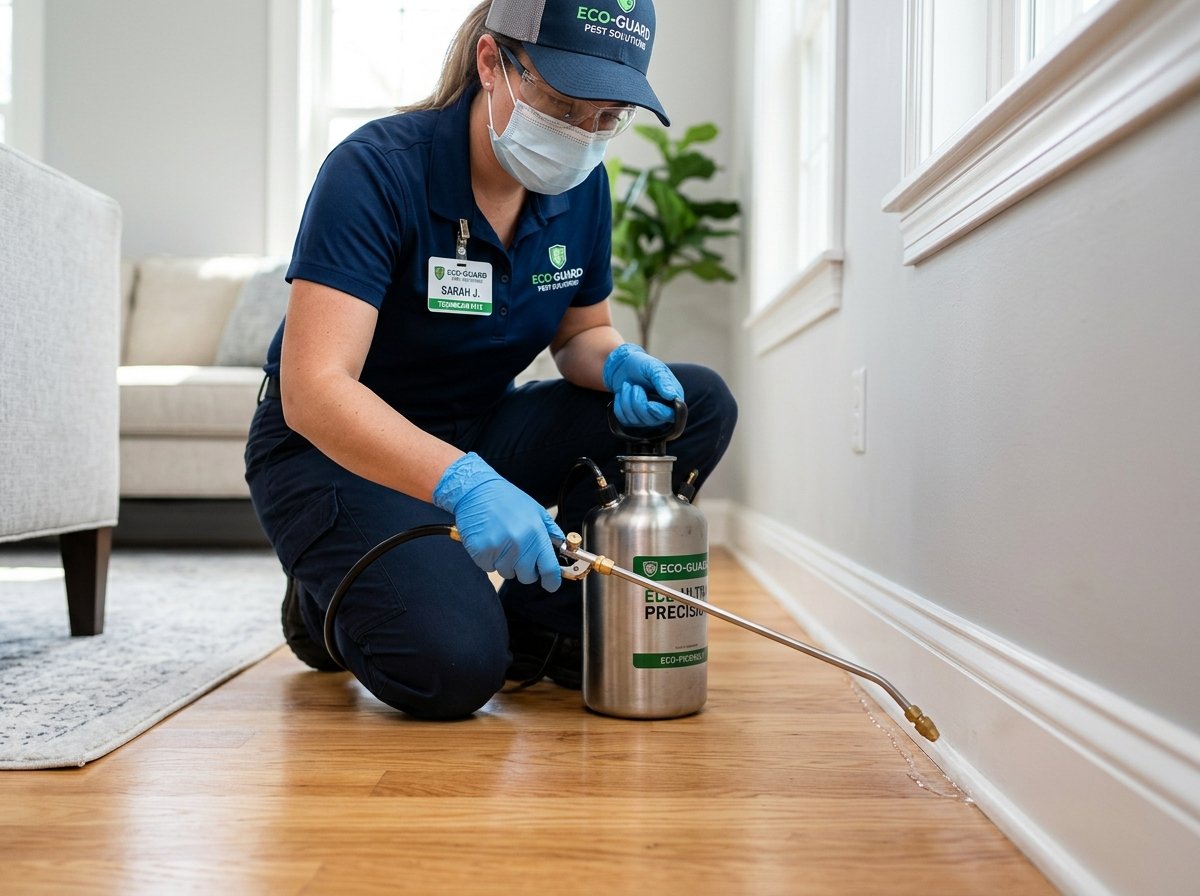
Professional perimeter pest defense focuses on establishing an exterior protective barrier around the building foundation, door frames, and utility entry points. Non-repellent baits and targeted crack-and-crevice formulations target insects at the exterior boundary before they ever infiltrate interior living spaces.
Professional Treatment vs. DIY Methods
Store-bought contact sprays often trigger "budding" in ant colonies, causing single nests to splinter into multiple sub-colonies throughout the home. Professional baiting systems use slow-acting transfer ingredients that foraging workers carry back to feed and destroy the entire nesting queen network.
Recommended Treatment Schedules & Maintenance Plans
Quarterly exterior maintenance visits (every 90 days) maintain an uninterrupted chemical barrier around the home exterior, adapting active formulas to seasonal weather shifts and insect breeding patterns.
Need Professional Pest Treatment?
Don't wait for pests to colonize inside your walls or attics. Florida Green Pest Control Services provides custom treatment solutions with 100% free re-treatments in case they ever return.