Learn how to eliminate stagnant water pockets in your lawn using French drains, rain gardens, and grading slopes. Having pests in your home is a major headache, especially under the hot sun and heavy rains of Florida. Without freezing winters to naturally reduce insect colonies, homeowners across the Sunshine State deal with year-round pest pressure. From termites feeding on structural wood framing to roof rats chewing through attic vents and electrical wires, keeping your property secure takes steady care. In this detailed guide, our local Florida entomologists break down everything you need to know about how grading and yard drainage solve severe mosquito outbreaks. We will look at why this pest activity increases, how our professional teams build durable barriers, and the step-by-step checklists you can use to secure your home.
Can poor lawn drainage cause mosquito problems?
Yes, low spots, poor grading, and packed soil keep rainwater pooling in lawns for days. These soggy zones become active breeding areas for mosquitoes, requiring drainage solutions to remove standing water.
- Grade lawn surfaces to slope away from home structures at 2% grade.
- Install a French drain pipe to redirect pooling rainwater to sewers.
- Build a rain garden with native plants to absorb runoff naturally.
- Aerate compacted soil to increase water absorption and dry lawns.
- Clean yard drainage grates weekly to prevent foliage blockages.
Biology & Climate Triggers: Why This Pest Thrives in Florida
Florida humid subtropical climate creates ideal conditions for continuous mosquito breeding cycles. In relation to how grading and yard drainage solve severe mosquito outbreaks, standing water and dense landscape vegetation serve as primary harborage zones. Female mosquitoes deposit eggs in minimal water pockets—including saucers, clogged roof gutters, and bird baths—which hatch into larvae in under 48 hours. Managing how grading and yard drainage solve severe mosquito outbreaks is essential for reducing vector-borne disease risks like West Nile, Dengue, and Chikungunya.
Actionable Step-by-Step Prevention & Sealing Checklist
Controlling mosquitoes effectively involves systematic source reduction combined with barrier defense. Inspecting outdoor drainage channels, clearing bromeliad reservoirs, and trimming low-hanging ornamental shrubbery eliminates the shaded resting spots adult mosquitoes utilize during daytime heat. Addressing these micro-habitats drastically lowers pest pressure across residential yards.
Your Structural Defense To-Do List:
- Slab & Base Inspection: Check concrete base slab joints, plumbing lines, and bath traps for active mud tubes or crawl entryways.
- Mulch & Soil Clearance: Keep soil, decaying wood chips, and leaf mulch at least 6 inches below the top of slab walls.
- Attic & Roof Seals: Seal roof ridge vents, vinyl soffits, and eaves with 1/4-inch galvanized steel wire mesh screens.
- Utility Pipe Blockages: Pack copper mesh wool inside weep holes, electrical conduits, and pipe lines, capping them with mortar.
- Foliage Trim Backs: Trim palm fronds, branches, and vines back at least 6 feet from roof gutters to cut off climbing paths.
Treatment Methodologies: Chemical Barriers, Baits, and Exclusions
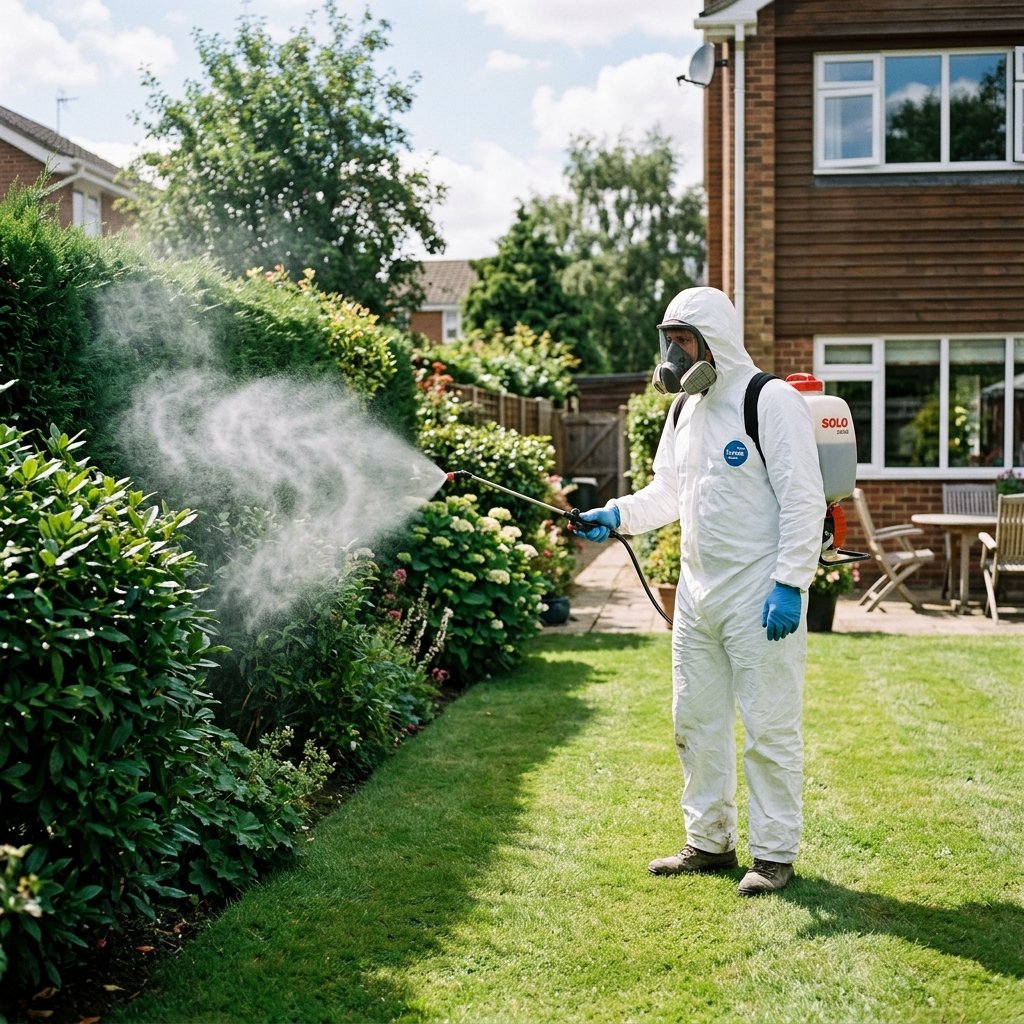
Professional mosquito suppression integrates organic larvicides in standing water sources with micro-encapsulated foliage misting. Specialized misting equipment targets the undersides of dense leaves and perimeter vegetation where adult insects rest, providing weeks of sustained suppression that withstands daily rainfall.
Professional Treatment vs. DIY Methods
Over-the-counter citronella candles, yard bug zappers, and temporary yard sprays provide brief surface relief but do not interrupt the reproductive lifecycle in standing water. Professional multi-stage treatments target both aquatic larval stages and resting adults for persistent, neighborhood-level relief.
Recommended Treatment Schedules & Maintenance Plans
Mosquito treatments in Florida are recommended on a recurring 21-to-30-day schedule from March through November, aligning with peak summer humidity and precipitation cycles to ensure yard barriers remain fully active.
Need Professional Pest Treatment?
Don't wait for pests to colonize inside your walls or attics. Florida Green Pest Control Services provides custom treatment solutions with 100% free re-treatments in case they ever return.